mercoledì 30 giugno 2010

Politica for Dummies: banche, governi e signoraggio

Blog di Paderno Dugnano. Fai sentire la tua voce!

Se vuoi scrivere news, notizie, eventi, foto, video, contattaci

Torna Politica for Dummies: banche, governi e signoraggio

dummies.gif

Torna la categoria ‘Politica for Dummies’con un post dedicato alle banche e al concetto di signoraggio. Partiamo quindi con un esempio concreto e quanto mai reale.

L’altro giorno un collega mi ha raccontato una storia assurda ma che purtroppo, rappresenta la quotidianità e spiega chiaramente come ci siamo venuti a trovare nella situazione attuale di crisi generale. Il collega in questione deve effettuare alcune ristrutturazioni e considerato l’approssimarsi delle ferie desidera mantenere della liquidità.

Non si parla di grosse cifre, poche migliaia di euro di cui comunque disporrebbe sul conto. Si è rivolto al proprio istituto bancario spiegando la situazione e chiedendo la simulazione di un prestito per la cifra in questione. GLI INTERESSI CHE SAREBBERO STATI APPLICATI AMMONTAVANO A 11,26%. Praticamente lui, la stessa cifra, disponendone sul conto, l’aveva di fatto affidata alla banca che la utilizzava regolarmente per soddisfare, tra gli altri, anche finanziamenti e concessioni di prestito come lui stava chiedendo in quel momento. Per la cifra che lui ha ceduto alla banca la stessa gli riconosce un tasso d’interessi ridicolo, che viene abbondantemente dilapidato con le spese di gestione del conto. Sulla stessa cifra invece la banca ricava l’11,26% di utili.

Questo comunque non è ne l’unico ne il principale esempio di come le banche stiano tenendo per le palle governi, nazioni e singoli cittadini. Il principale meccanisco attraverso il quale le banche si arricchiscono all’inverosimile e i governi si vanno a indebitare mettendoni nelle mani degli istituti di credito è il Signoraggio.

Da Wikipedia:
Il signoraggio è l’insieme dei redditi derivante dall’emissione di moneta. Gli economisti intendono per signoraggio i redditi che una banca centrale ed uno stato ottengono grazie alla possibilità di creare base monetaria in condizioni di monopolio. Negli stati moderni, solitamente, una banca centrale stampa le banconote mentre lo stato (ad esempio tramite una zecca) conia le monete, ed entrambi hanno un reddito da signoraggio.

Fondamentalmente il meccanismo del signoraggio si basa sulla differenza tra il valore intrinseco e quello nominale delle singole monete.
In pratica, il costo maggiore è il materiale di cui è composta la moneta, e l’insieme di tutti i vari costi su indicati vanno a determinare il suo VALORE INTRINSECO. La moneta però riporta sulla facciata un numero che indica un altro valore: il VALORE NOMINALE (o, per l’appunto, DI FACCIATA o anche LEGALE). I due valori (intrinseco e nominale) differiscono tra loro e la loro differenza determina quello che si chiama SIGNORAGGIO, ossia il guadagno che ha chi ha creato quella moneta.

Tanto per cambiare, come nel caso dell’esempio iniziale è quasi tutta ‘ciccia’ per la banca. Come se non bastasse e per il fatto di essere ormai tenuti in ostaggio dalle banche, i singoli governi in tempi di crisi cercano attraverso leggi e decreti di sostenere le banche con la condizione che le stesse agevolino l’impresa privata e i cittadini. Peccato che gli stessi governi non siano in condizioni di dettare condizioni alle banche.

Per concludere e chiarire maggiormente la situazione ecco un simpatico ma triste e quanto mai veritiero filmato:


Usura: imprenditore denuncia Banca d'Italia

Usura: imprenditore De Masi denuncia Banca d'Italia

In querela si chiede indagare per vari reati tra cui riciclaggio


29 giugno, 19:16 (ANSA) - PALMI (REGGIO CALABRIA), 29 GIU - Il gruppo imprenditoriale di Nino De Masi ha presentato una denuncia contro Banca d'Italia.

Nella querela, l'imprenditore di Gioia Tauro, che con le sue denunce ha portato ad un'inchiesta della Procura di Palmi sfociata in un processo, ora in appello, contro i vertici di alcune banche nazionali per usura, ipotizza una serie di reati tra i quali l'omessa vigilanza del sistema creditizio, il concorso in usura, in riciclaggio, in falso in bilancio, in appropriazione indebita, in truffa. (ANSA).

Who Will Pay: Wall Street or Main Street ?

Who Will Pay: Wall Street or Main Street , The Tobin Tax or the VAT?


Ellen Brown

Ellen Brown

Huffington Post, June 28, 2010 06:03 PM

Wall Street banks have been saved from bankruptcy by governments that are now going bankrupt themselves; but the banks are not returning the favor. Instead, they are engaged in a class war, insisting that the squeezed middle class be even further squeezed to balance over-stressed government budgets. All the perks are going to Wall Street, while Main Street slips into debt slavery. Wall Street needs to be made to pay its fair share, but how?

The financial reform bill agreed to on June 25 may have carved out some protections for consumers, but for Goldman Sachs and the derivatives lobby, the bill was a clear win, leaving the Wall Street gambling business intact. In a June 25 Newsweek article titled "Financial Reform Makes Biggest Banks Stronger," Michael Hirsh wrote that the bill "effectively anoints the existing banking elite. The bill makes it likely that they will be the future giants of banking as well."

The federal government and Federal Reserve have advanced literally trillions of dollars to save the big Wall Street players, to the point where the government's own credit rating is in jeopardy; but Wall Street has not had to pay for the cleanup. Instead, the states and the citizens have been left to pick up the tab. On June 17, Time featured an article by David von Drehle titled "Inside the Dire Financial State of the States," reporting that most states are now facing persistent budget shortfalls of a sort not seen since the 1930s. Unlike the Wall Street banks, which can borrow at the phenomenally low fed funds rate of 0.2% and plow that money back into speculation, states don't have ready access to credit lines. They have to borrow through bond issues, and many states are so close to bankruptcy that their municipal bond ratings are collapsing. Worse, states are not legally allowed to default. Unlike the federal government, which can go into debt indefinitely, states must balance their budgets; and they cannot issue their own currencies. That puts them in the same position as Greece and other debt-strapped European Union countries, which are forbidden under EU rules either to issue their own currencies or to borrow from their own central banks.

States, of course, don't even have their own state-owned banks, with one exception -- North Dakota. North Dakota is also the only state now sporting a budget surplus, and it has the lowest unemployment and mortgage delinquency rates in the country. As von Drehle observes, "It's a swell time to be North Dakota."

2010-06-28-graphndunemployment.jpeg

But most states are dealing with serious, chronic defaults, putting them in the same debt trap as Greece: they are being forced to lay off workers, sell public assets, and look for ways to squeeze more taxes out of an already over-taxed populace. And their situation is slated to get worse, since the federal government's stimulus package will soon be cut, along with assistance to the states.

The federal government is not only leaving the states high and dry but is threatening to impose even more taxes on their beleaguered citizens. Paul Volcker, former Federal Reserve Chairman and current White House economic adviser, said in April that Congress needs to consider a Value Added Tax (VAT) - a tax on various stages of production of consumer goods. A VAT of 17.5% is now imposed in Britain, and 20% is being proposed; while some EU countries already have a VAT as high as 25%. In Europe, at least the citizens get something for their money, including federally-funded health care; but that is not likely to happen in the U.S., where even a "public option" in health care is no longer on the agenda. The VAT hits the lower and middle classes particularly hard, since they spend most of their incomes on consumables. The rich, on the other hand, put much of their money into speculative trades, and those sales are not currently taxed.

Business Cycle or Class War?

Ismael Hossein-Zadehi, who teaches economics at Drake University in Iowa, calls the whole economic crisis a class war. What is being billed as public debt began as the private debt of financial speculators who offloaded it onto the public. The governments that bailed out these insolvent speculators then became insolvent themselves; but the bailed-out banks, rather than lending a helping hand in return, have demanded their pound of flesh, with payment in full. The perpetrators are blaming the victims and insisting on "fiscal responsibility." Wall Street bankers are dictating the terms of repayment for debts they themselves incurred.

"Fiscal responsibility" means cutting spending, something that is inherently deflationary during a recession, as seen in the disastrous Depression-era policies of President Herbert Hoover. Not that it was solely a Republican error. In 1937, President Franklin Roosevelt also cut public spending, tipping the economy back into recession. Spending cuts cause tax revenues to shrink, which results in more spending cuts. Contrary to what we have been told, national governments are not like households. They do not have to balance their budgets and "live within their means," because they have the means to increase the money supply. They not only have the means, but they must engage in public spending when the private economy is shrinking, in order to keep the wheels of the economy turning. Virtually all money now originates as bank-created credit or debt; and today the money supply has been shrinking at a rate not seen since the 1930s, because the banking crisis has made credit harder and harder to get.

Instead of "reflating" the collapsed economy, however, national governments are insisting on "fiscal responsibility;" and the responsibility is all being put on the states and the laboring and producing classes. The financial speculators who caused the debacle are largely getting off scott free. They not only pay no tax on the purchase and sale of their "financial products," but they pay very little in the way of income taxes. Goldman Sachs paid an effective income tax rate of only 1% in 2008. Prof Hossein-Zadehi writes:

It is increasingly becoming clear that the working majority around the world face a common enemy: an unproductive financial oligarchy that, like parasites, sucks the economic blood out of the working people, simply by trading and/or betting on claims of ownership. . . . The real question is when the working people and other victims of the unjust debt burden will grasp the gravity of this challenge, and rise to the critical task of breaking free from the shackles of debt and depression.
Working people don't rise to the task because they have been propagandized into believing that "fiscal austerity" is something that needs to be done in order to save their children from an even worse fate. What actually needs to happen in a deflationary collapse is to spend more money into the system, not pull it back out by paying off the federal debt; but the money needs to go into the real economy - into factories, farms, businesses, housing, transportation, sustainable energy systems, health care, education. Instead, the stimulus money has been hijacked, diverted into cleaning up the toxic balance sheets of the financial gamblers who propelled the economy into its perilous dive.


Evening Up the Score

While Congress caters to the banks, the states have been left to fend for themselves. Where is the money to come from to pull off the impossible feat of balancing their budgets? Bleeding a VAT tax out of an already-anemic working class is more likely to kill the patient than to alleviate the disease. A more viable and equitable solution would be to tap into the only major market left on the planet that is not now subject to a sales tax - the "financial products" that are the stock in trade of the robust financial sector itself.

A financial transaction tax on speculative trading is sometimes called a "Tobin tax," after the man who first proposed it, Nobel laureate economist James Tobin. The revenue potential of a Tobin tax is huge. The Bank for International Settlements reported in 2008 that total annual derivatives trades were $1.14 quadrillion (a quadrillion is a thousand trillion). That figure was probably low, since over-the-counter trades are unreported and their magnitude is unknown. A mere 1% tax on $1 quadrillion in trades would generate $10 trillion annually in public funds. That is only for derivatives. There are also stocks, bonds and other financial trades to throw in the mix; and more than half of this trading occurs in the United States.

A Tobin tax would not generate these huge sums year after year, because it would largely kill the computerized high-frequency program trades that now compose 70% of stock market purchases. But that is a worthy end in itself. The sudden, thousand-point drop in the Dow Industrial Average on May 6 showed the world how vulnerable the stock market is to manipulation by these sophisticated market gamblers. The whole high-frequency trading business needs to be stopped, in order to protect legitimate investors using the stock market for the purposes for which it was designed: to raise capital for businesses. As Mark Cuban observed in a May 9 article titled "What Business Is Wall Street In?":

Creating capital for business has to be less than 1pct of the volume on Wall Street in any given period. . . . My 2 cents is that it is important for this country to push Wall Street back to the business of creating capital for business. Whether it's through a use of taxes on trades, or changing the capital gains tax structure so that there is no capital gains tax on any shares of stock (private or public company) held for 5 years or more, and no tax on dividends paid to shareholders who have held stock in the company for more than 5 years. However we need to do it, we need to get the smart money on Wall Street back to thinking about ways to use their capital to help start and grow companies. That is what will create jobs. That is where we will find the next big thing that will accelerate the world economy. It won't come from traders trying to hack the financial system for a few pennies per trade.

Besides protecting legitimate savers and investors by exempting stock held five years or more, they could be exempted from a Tobin tax on total stock purchases of under $1 million per year. That would make the tax literally a millionaire's tax -- and a small one at that, at only 1% per trade.

At the G20 summit in Toronto last weekend, a financial transaction tax was discussed and supported by France and Germany but was opposed by the U.S. and Canada, although nothing binding was resolved. However, the states do not have to wait for the federal government or the G20 to act. They could levy a Tobin tax themselves. Objection might be made that the Wall Street speculators would take their revenues and go elsewhere, but big banks and brokerages have branches in every major city in every state. They are hardly likely to pack up their tents and leave lucrative centers of business. Nor can it be argued that we should cater to the pirates who are looting our stock markets because they are paying us a nice bribe, because they aren't even paying a bribe. Financial trades do not currently generate tax revenues.

Two Green Party candidates for governor, Laura Wells in California and Rich Whitney in Illinois, have included a state-imposed Tobin tax in their platforms. Both are also campaigning for state-owned banks in their states, on the model of the Bank of North Dakota. People around the world look to the United States for boldness and innovation, and California and Illinois are two of the hardest hit states in the nation. If those states manage to turn their economies around, they could establish a model for economic sovereignty globally.

Follow Ellen Brown on Twitter: www.twitter.com/ellenhbrown

Appello per un contropotere alla finanza

Appello per un contropotere alla finanza

CALL FOR A FINANCE-WATCH


Come parlamentari europei che si occupano della regolamentazione dei mercati finanziari e delle banche, constatiamo tutti i giorni la pressione esercitata dall'industria finanziaria e bancaria per influenzare le normative che la disciplinano.
Non c'è nulla di strano se queste imprese fanno sentire il loro punto di vista e discutono regolarmente con i legislatori. Ma l'asimmetria tra la forza di questa azione di lobbying e l'assenza di un'azione simile – ma di segno opposto – ci sembra un pericolo per la democrazia. La pressione degli uni deve infatti essere controbilanciata da quella di altri. In materia ambientale e di sanità pubblica, di fronte agli industriali, le organizzazioni non governative (ONG) hanno sviluppato una vera competenza alternativa. Lo stesso si verifica in materia sociale tra le organizzazioni degli imprenditori e i sindacati. Questo confronto permette agli eletti di sentire argomentazioni di segno opposto. Ma in ambito finanziario ciò non accade. Né i sindacati di lavoratori dipendenti, né le ONG hanno sviluppato una competenza in grado di rivaleggiare con quella delle banche.

Da questo punto di vista manca un contro-potere nella società civile.
Anche se quest'assenza non ci impedisce di sviluppare la nostra competenza, indipendente da quella dell'industria, e di fare il nostro lavoro, quest'asimmetria costituisce ai nostri occhi un pericolo per la democrazia.

Perché quest'asimmetria si iscrive in un contesto di forte prossimità tra élite politiche e finanziarie. Negli Stati Uniti i legami tra Goldman Sachs e l'amministrazione federale sono noti. Ma in Europa questa prossimità non è da meno. Essa contribuisce a rafforzare la presa in considerazione delle argomentazioni dell'industria finanziaria in modo unilaterale e rappresenta indubbiamente un freno alla capacità dei politici di prendere decisioni in modo davvero indipendente. Inoltre, l'assenza di una risposta politica adeguata alla crisi del sistema finanziario può nutrire ogni forma di populismo, basato più sull'emozione che sulla ragione.

Come eletti europei responsabili della regolamentazione finanziaria e bancaria rivolgiamo quindi un appello alla società civile (ONG, sindacati, accademici, think-tanks …) perché si adoperi per dar vita a una (o più) organizzazione non governativa capace di sviluppare una competenza – alternativa a quella delle banche – sulle attività condotte nei mercati finanziari dai principali operatori (banche, società di assicurazioni, hedge fund, ecc.…) e di fare conoscere in modo efficace le proprie analisi ai mass media.
Come deputati appartenenti a gruppi politici diversi possiamo anche non essere in sintonia sulle misure da adottare, ma siamo concordi nel dare l'allarme a l'opinione pubblica su questo rischio per la qualità della democrazia.

Come parlamentari europei, invitiamo gli eletti dei Parlamenti nazionali a unirsi a questo appello.


Promotori:
Sophie Auconie
(France, Group of the European People's Party, Substitute in the Committee on Economic and Monetary Affairs), Burkhard Balz (Germany, Group of the European People's Party, Member in the Committee on Economic and Monetary Affairs), Pervenche Berès (France, Group of Socialists and Democrats, Rapporteur in the Committee on Financial, Economic and Social Crisis, Substitute in the Committee on Economic and Monetary Affairs, Chair of the Committee on Employment and Social Affairs), Udo Bullman (Germany, Group of Socialists and Democrats, Coordinator for S&D in the Committee on Economic and Monetary Affairs), Leonardo Domenici (Italy, Group of Socialists and Democrats, Member in the Committee on Economic and Monetary Affairs), Pascal Canfin (France, Group of the Greens, Vice-Chair in the Committee on Financial, Economic and social Crisis), Sergio Gaetano Cofferati (Italy, Group of Socialists and Democrats, Coordinator in the Committee on Financial, Economic and social Crisis), Elisa Ferreira (Portugal, Group of Socialists and Democrats, Member in the Committee on Economic and Monetary Affairs), Jean-Paul Gauzès (France, Group of the European People's Party, Coordinator for EPP in the Committee on Economic and Monetary Affairs , Rapporteur for the directive Alternative investment fund manager), Sven Giegold (Germany, Group of the Greens, Coordinator for the Greens in the Committee on Economic and Monetary Affairs, Rapporteur for the directive European Securities and Markets Authority), Robert Goebbels (Luxembourg, Group of Socialists and Democrats, Substitute in the Committee on Economic and Monetary Affairs), Charles Goerens (Luxembourg, Group of Alliance of Liberals and Democrats, Substitute in the Committee on Financial, Economic and social Crisis), Thomas Händel (Germany, Group of the European United Left - Nordic Green Left, Substitute in the Committee on Economic and Monetary Affairs), Eva Joly (France, Group of the Greens, Chair of the Committee on Development), Jürgen Klute (Germany, Group of the European United Left - Nordic Green Left, Coordinator for GUE/NGL in the Committee on Economic and Monetary Affairs), Philippe Lamberts (Belgium, Group of the Greens, Substitute in the Committee on Economic and Monetary Affairs), Arlene McCarthy (United-Kingdom, Group of Socialists and Democrats, Member in the Committee on Economic and Monetary Affairs , Rapporteur for the directive Capital requirements for the trading book and for re-securitisations, and the supervisory review of remuneration policies), Sirpa Pietikäinen (Finland, Group of the European People's Party, Member in the Committee on Economic and Monetary Affairs), Anni Podimata (Greece, Group of Socialists and Democrats), Miguel Portas (Portugal, Group of the European United Left - Nordic Green Left, Vice-Chair in the Committee on Financial, Economic and social Crisis), Peter Simon (Germany, Group of Socialists and Democrats, Substitute in the Committee on Economic and Monetary Affairs), Dirk Sterckx (Belgium, Group of Alliance of Liberals and Democrats, Substitute in the Committee on Economic and Monetary Affairs)...

Firmatari:
Romeva i Rueda Raul (Spain, MEP, Iniciativa per Catalunya Verds), Pargneaux Gilles (France, Député européen, Groupe socialiste), Keller Ska (Germany, MEP, Greens/EFA), Françoise Castex (France, groupe socialistes & démocrates, députée européenne, membre de la commission des affaires juridiques), Sandrine Bélier (France, groupe des Verts, députée européenne), Michail Tremopoulos (Grèce, Greens/EFA, Member of the European Parliament ), Corinne Lepage (France, Groupe des Libéraux et Démocrates, députée européenne), Hélène Flautre (France, groupe des Verts/ALE, députée européenne), Jean-Paul Besset (France, groupe des Verts/ALE, député européen), Yannick Jadot (France, groupe des Verts/ALE, député européen), Karima Delli (France, groupe des Verts/ALE, députée européenne), Daniel Cohn-Bendit (France, groupe des Verts /ALE, député européen), Catherine Grèze (France, groupe des Verts/ALE, députée européenne), Michèle Rivasi (France, groupe des Verts/ALE, députée européenne), Nicole Kill-Nielsen (France, groupe des Verts/ALE, députée européenne), Malika Benarab-Attou (France, groupe des Verts /ALE, députée européenne), Junqueras Oriol (Spain, Greens/ALE, Member of the European Parliament), Bart Staes (Belgium, Member of the European Parliament, Greens/EFA), Evelyn Regner (Austria, Socialists & Democrats, Member of the European Parliament), Jörg Leichtfried (Austria, Socialists & Democrats, Member of the European Parliament), Heide Ruehle (Germany, Member of the European Parliament, Greens/EFA), Durant Isabelle (Belgique, Vice-présidente du Parlement européen, Verts/ALE), Rebecca Harms (Germany, Member of the European Parliament, Greens/EFA), Werner Schulz (Germany, Member of the European Parliament, Greens/EFA), Keith Taylor (England, MEP, Greens/EFA), Albrecht Jan Philipp (Germany, MEP, Greens/EFA - Bündnis 90/Die Grünen), Lichtenberger Eva (Austria, Member of the European Parliament, The Greens), Emilie Turunen (Denmark, MEP, SF,The Greens/EFA), Patrice Tirolien (France, Socialists & Democrats, Member of the European Parliament), Thomas Ulmer (Germany, EPP, Member of the European Parliament), Childers Nessa (Ireland, Socialists & Democrats, Member of the European Parliament), Le Hyaric Patrick (France, Parti Communiste Français, député européen), Jurra Steinruck (Germany, Group of Socialists & Democrats, Member of the European Parliament), Franziska Brantner (Germany, Greens, Member of the European Parliament), Turmes Claude (Luxembourg, Greens, Member of European Parliament), Désir Harlem (France, Socialistes et Démocrates, député européen d'Ile de France), Wils Sabine (Germany, Die Linke, Member of the European Parliament), Jean Lambert (UK, Greens, Member of the European Parliament for London), Ana Gomes (Portugal, Socialists & Democrats, Member of the European Parliament), De Rossa Proinsias (Ireland, Socialists & Democrats, Member of the European Parliament), Hoang Ngoc Liem (France, Socialists & Democrats, Member of the European Parliament), Peillon Vincent (France, Socialists & Democrats, Member of the European Parliament), Arif Kader (France, Socialists & Democrats, Member of the European Parliament), Vergnaud Bernadette (France, Socialists & Democrats, Member of the European Parliament), Guillaume Sylvie (France, Socialists & Democrats, Member of the European Parliament), Ulirke Lunaceck (Austria, Greens/ALE, Member of the European Parliament), Henri Weber (France, Socialistes & Démocrates, député européen)...

Jean Desessard (France, Verts , Sénateur de Paris ), Yves Cochet (France, Verts, député de Paris), François de Rugy (France, Verts, député), Noël Mamère (France, Verts, député de Gironde), Marie Blandin (France, Groupe des Verts, sénatrice du Nord), Kindler Sven-Christian (Germany, Member of the German Bundestag (Budget Committee), Bündnis 90/Die Grünen - The Greens), Schmidt Dr. Frithjof (Germany, Member of Parliament, BÜNDNIS 90/DIE GRÜNEN), Karl-Heinz Braun (Belgium, Member of Parliament of the German speaking community of Belgium), François Patriat (France, sénateur (PS) de Côte-d'Or, président du conseil Régional de Bourgogne), Noiret Christian (Belgique, Député wallon, Ecologie), Meyer Carsten (Germany, Member of Parliarment, Thuringia, Bündnis90/DIE GRÜNEN), Kogler Werner (Austria, MP, spokesperson for budget and finance, Green Group in the Austrian Parliament), Christine Scheel (Germany, MP/ Spokesperson for SME policy, Alliance \'90/The Greens), Robert Tropeano (France, RDSE, Sénateur de l'Hérault), Koczy Ute (Germany, Bündnis 90/Die Grünen, Member of Parliament ), Gilkinet Georges (Belgique, Ecolo, député fédéral), Krumwiede Agnes (Germany, BÜNDNIS 90/DIE GRÜNEN, Member of Parliament (Bundestag)), Christian Zänglein (Austria, Die Grünen, Member of Parliament), Ulla Lötzer (Deutschland (RFA), Die Linke, Mitglied des Deutschen Bundestages (MdB)), Lapp Christine (Austri, Social Democrats, Member of Austrian Parliament), Gartlehner Kurt (Austria, SPÖ, Member of Parliament), Auer Josef (Austria/Tirol, SPÖ, Abgeordneter zum (österr.) Nationalrat), Roth Claudia (Germany, BÜNDNIS 90/DIE GRÜNEN, Federal Chairwoman of the German Green Party, Member of National Parliament), Petra Bayr (Austria, Social Democratic Party, Member of Parliament), Andreae Kerstin (German, Bündnis 90/Die Grünen, Member of German Parlament), Muttonen Christine (Austria, Social Democratic Party, Member of the Austrian Parliament), François Bausch (Luxembourg, déi gréng, Président du groupe parlementaire), Gira Camille (Luxembourg, déi gréng, député-maire), Navarro Robert (France, Parti socialiste, Sénateur), Giorgos Perdikis (Cyprus, Green Party, Member of Parliament), Maier Johann (Austria, Social Democracy Party of Austria, Member of Austrian Parliament), Adam Claude (Luxembourg, déi gréng, Member of Parliament), Plessl Rudolf (Austria, SPÖ, Member of Austrian Parliament), Kox Henri (Luxemburg, Green Party, Member of Parliament), Nicole Bricq (France, Socialiste, Sénatrice), Idiart Jean-Louis (France, Parti Socialiste, député de Haute Garonne), Dr.in Eva Glawischnig (Austria, The Greens, Chairwoman of the Austrian Greens, Chairwoman of the Green Faction in Parliament), Judith Schwentner (Austria, Green Party, Member of the Austrian Parliament), Garrigue Daniel (France, Divers Droite, Député de la Dordogne, membre de la commission des finances)...

Philippe Meirieu (France, Europe Ecologie, Conseiller régional PACA), Ulrike Märkel (Germany, Councilwoman, Dortmund, Die Grünen), Manfred Waddey (Germany, Councillor, City of Köln, Greens), Chesneau Philippe (France, Conseiller régional, Europe Ecologie), Danielle Auroi (France, Vice présidente of Clermont communauté, Greens / Europe Ecologie), Bové Marie (France, Conseillère régionale, Europe Ecologie), Engstfeld Stefan (Germany, Member Landtag (State Parliament) of North Rhine-Westphalia, Green Party (Bündnis 90/Die Grünen)), Müller-Gemmeke Beate (Germany, Member of the German Bundestag, Bündnis 90/ Die Grünen), Gründel Andreas (Germany, Member of commune parliament, Green), Klein Hans-Jürgen (Germany, MdL Niedersachsen, Bündnis90/Die Grünen), Schmitz-Kretschmer Hajo (Germany, Member of municipality parliament of the city of Rheinbach, NorthRhineWestfalia, Bündnis 90/Die Grünen), Hubert Lechner (Austria, Gf. Gde. Rat, SPÖ), Elisabeth Hanke-Beerens (Germany, Member of Regional Parlament "Kreistag Wesel", Green), Hubaux Philippe (Belgium , conseiller provincial Namur, Ecolo), Jetter Claudia (Germany, Member of City Council Essen,Die LINKE), Farle Harald (Germany, Die Linke, Member of Regional Parlament - Kreistagsabgeordneter Rhein-Kreis Neuss), Oppermann Manfred (Germany, SPD, Member of the Bremen Parliament), Hallitzky Eike (Germany, Bavaria, Greens, MdL (Member of Bavarian Parliament)), Longeon Olivier (France, Europe Ecologie - les Verts, Conseiller régional Rhône Alpes), Paus Lisa (Germany, Alliance 90 / The Greens, MdB, Member of the committee for financial affairs), Leukefeld Ina (Germany, Die Linke, Mitglied des Thüringer Landtages), Wolfgang Cordes (Germany, Green Party, Member of the Verbandsversammlung of The RVRuhr), Hinkelmann Jochen (Germany, Bündnis 90/Die Grünen, Stadtrat in Alzey), Loiselet Eric (France, Europe Ecologie, Conseiller régional de Champagne Ardenne), Marie-Thérèse Taupin (France, PS, adjointe aux finances et à l'économie solidaire de la ville de Cesson-Sévigné), Eckardt Käsling (Germany, Bündnis 90/Die Grünent, Bürger), Van Ooyen Willi (Germany, Die Linke, MdL Hessen) ...

Vedi anche: AUDIT THE EUROPEAN CENTRAL BANK
http://leconomistamascherato.blogspot.com/2010/04/audit-european-central-bank.html

Il signoraggio deve essere appannaggio del popolo:

"...il patrimonio e le riserve della Banca d'Italia sono il frutto del Signoraggio pagato nel corso degli anni dai cittadini italiani e riscosso dalle autorità monetarie con la creazione di moneta. Appartengono alla collettività, non sono di proprietà delle banche"
- Guido Tabellini, Rettore dell'Università Bocconi di Milano

martedì 29 giugno 2010

Time to shut down the US Federal Reserve?

Time to shut down the US Federal Reserve?

By Ambrose Evans-Pritchard Last updated: June 29th, 2010


Like a mad aunt, the Fed is slowly losing its marbles.

Kartik Athreya, senior economist for the Richmond Fed, has written a paper condemning economic bloggers as chronically stupid and a threat to public order.

Matters of economic policy should be reserved to a priesthood with the correct post-doctoral credentials, which would of course have excluded David Hume, Adam Smith, and arguably John Maynard Keynes (a mathematics graduate, with a tripos foray in moral sciences).

Adam Smith didn't have an economics PhD

Adam Smith didn't have an economics PhD

“Writers who have not taken a year of PhD coursework in a decent economics department (and passed their PhD qualifying exams), cannot meaningfully advance the discussion on economic policy.”

Don’t you just love that throw-away line “decent”? Dr Athreya hails from the University of Iowa.

“The response of the untrained to the crisis has been startling. The real issue is that there is an extremely low likelihood that the speculations of the untrained, on a topic almost pathologically riddled by dynamic considerations and feedback effects, will offer anything new. Moreover, there is a substantial likelihood that it will instead offer something incoherent or misleading.”

You couldn’t make it up, could you?

“Economics is hard. Really hard. You just won’t believe how vastly hugely mind-boggingly hard it is. I mean you may think doing the Sunday Times crossword is difficult, but that’s just peanuts to economics. And because it is so hard, people shouldn’t blithely go shooting their mouths off about it, and pretending like it’s so easy. In fact, we would all be better off if we just ignored these clowns.”

I hold my hand up Dr Athreya and plead guilty. I am grateful to Bruce Krasting’s blog for bringing this stinging rebuke to my attention.

However, Dr Athreya’s assertions cannot be allowed to pass. The current generation of economists have led the world into a catastrophic cul de sac. And if they think we are safely on the road to recovery, they still fail to understand what they did.

Central banks were the ultimate authors of the credit crisis since it is they who set the price of credit too low, throwing the whole incentive structure of the capitalist system out of kilter, and more or less forcing banks to chase yield and engage in destructive behaviour.

They ran ever-lower real interests with each cycle, allowed asset bubbles to run unchecked (Ben Bernanke was the cheerleader of that particular folly), blamed Anglo-Saxon over-consumption on excess Asian savings (half true, but still the silliest cop-out of all time), and believed in the neanderthal doctrine of “inflation targeting”. Have they all forgotten Keynes’s cautionary words on the “tyranny of the general price level” in the early 1930s? Yes they have.

They allowed the M3 money supply to surge at double-digit rates (16pc in the US and 11pc in euroland), and are now allowing it to collapse (minus 5.5pc in the US over the last year). Have they all forgotten the Friedman-Schwartz lessons on the quantity theory of money? Yes, they have. Have they forgotten Irving Fisher’s “Debt Deflation causes of Great Depressions”? Yes, most of them have. And of course, they completely failed to see the 2007-2009 crisis coming, or to respond to it fast enough when it occurred.

The Fed has since made a hash of quantitative easing, largely due to Bernanke’s ideological infatuation with “creditism”. QE has been large enough to horrify everybody (especially the Chinese) by its sheer size – lifting the balance sheet to $2.4 trillion – but it has been carried out in such a way that it does not gain full traction. This is the worst of both worlds. So much geo-political capital wasted to such modest and distorting effect.

The error was for the Fed to buy the bonds from the banking system (and we all hate the banks, don’t we) rather than going straight to the non-bank private sector. How about purchasing a herd of Texas Longhorn cattle? That would do it. The inevitable result of this is a collapse of money velocity as banks allow their useless reserves to swell.

And now the Fed tells us all to shut up. Fie to you sir.

The 20th Century was a horrible litany of absurd experiments and atrocities committed by intellectuals, or by elite groupings that claimed a higher knowledge. Simple folk usually have enough common sense to avoid the worst errors. Sometimes they need to take very stern action to stop intellectuals leading us to ruin.

The root error of the modern academy is to pretend (and perhaps believe, which is even less forgiveable), that economics is a science and answers to Newtonian laws.

In any case, Newton was wrong. He neglected the fourth dimension of time, as Einstein called it, and that is exactly what the new classical school of economics has done by failing to take into account the intertemporal effects of debt – now 360pc of GDP across the OECD bloc, if properly counted.

There has been a cosy self-delusion that rising debt is largely benign because it is merely money that society owes to itself. This is a bad error of judgement, one that the intuitive man in the street can see through immediately.

Debt draws forward prosperity, which leads to powerful overhang effects that are not properly incorporated into Fed models. That is the key reason why Ben Bernanke’s Fed was caught flat-footed when the crisis hit, and kept misjudging it until the events started to spin out of control.

Economics should never be treated as a science. Its claims are not falsifiable, which is why economists can disagree so violently among themselves: a rarer spectacle in science, where disputes are usually resolved one way or another by hard data.

It is a branch of anthropology and psychology, a moral discipline if you like. Anybody who loses sight of this is a public nuisance, starting with Dr Athreya.

As for the Fed, I venture to say that a common jury of 12 American men and women placed on the Federal Open Market Committee would have done a better job of setting monetary policy over the last 20 years than Doctors Bernanke and Greenspan.

Actually, Greenspan never got a Phd. His honourary doctorate was awarded later for political reasons. (He had been a Nixon speech-writer). But never mind.

US heading towards civil war

6/28/2010
Weekly Geopolitical News and Analysis100628: The post-Obama power struggle heats up, will he be replaced by Hillary Clinton, General Petraeus or Ron Paul?

As the Washington D.C. Corporation heads for bankruptcy, a power vacuum is emerging in the US, tempting various groups into trying to fill the void. The Bush/Clinton faction is now pushing hard to make Hillary Clinton the new president. Another group seeks to create an imperial Roman Caesar in the form of General David Petraeus. Then there is a group aiming to make Ron Paul an interim president to preside over the return of the US to constitutional rule. Also, we have Al Gore and General James Jones seeking to undo the illegal elections that have taken place since George Bush Junior was fraudulently put into office. Finally, of course Obama and his handlers continue to struggle to keep him in office. The general impression is one of increasing anarchy heading towards civil war.

Weekly Geopolitical News and Analysis

Cosa c'è dietro lo strano "gioco" della Bce

Cosa c'è dietro lo strano "gioco" della Bce sulle monete stampate (e non)?

Giovanni Passali

Il Sussidiario, martedì 29 giugno 2010

Nell'estate del 2007, in una delle tante polemiche inutili che scoppiano ad agosto, l'allora Presidente del Consiglio Prodi ipotizzò la vendita di parte dell'oro di Bankitalia per ripianare una seppur minima parte del debito pubblico. La cosa fu accantonata per la sprezzante risposta del Governatore della Bce. La cosa che più mi colpì di quella piccola polemica estiva è il fatto che a rispondere alla discutibile uscita di Prodi non fu il Governatore della Banca d'Italia, ma quello della Bce: come se l'oro depositato presso Bankitalia fosse di proprietà della Bce. Ma quell'oro, a dirla tutta, non è nemmeno di proprietà di Bankitalia, ma dello Stato Italiano.

E mi colpì moltissimo anche il fatto che nessun media, televisione o quotidiano che fosse, avesse notato questo aspetto della polemica. Un altro esempio del tono sprezzante con cui i funzionari della Bce sono adusi a trattare i politici lo abbiamo avuto quando, qualche anno fa, il ministro Tremonti ipotizzò la possibilità di stampare come banconote i valori da 1 e 2 euro, per aiutare i consumatori a comprendere il valore degli euro posseduti.

In questo caso oltre al tono sprezzante con cui venne detto “la cosa non è all'ordine del giorno”, la frase aggiunta ci dice una cosa molto interessante: “Non so se il ministro italiano si rende conto che così perderebbe il reddito da signoraggio”. Quindi, per stessa ammissione di un Governatore della Bce, alla stampa di moneta da parte della Bce, invece che da parte di uno Stato sovrano, corrisponde una perdita monetaria. E a quanto corrisponde questa perdita?

Il conto è presto fatto: la moneta stampata dallo Stato è tra gli attivi, mentre quella stampata dalla Bce (e dalla Banca d'Italia) è tra i passivi, coperta dagli attivi che sono i titoli di stato, cioè debiti dello stato che paghiamo tutti noi. Alla fine, la perdita totale è pari al 200% del valore della moneta stampata. Per la precisione, a questo occorre aggiungere ancora gli interessi pagati dai titoli di stato. A tale proposito, c'è un aspetto interessante da approfondire. Quali sono le quantità stampate nei vari tagli?

Tale domanda sorge anche per la campagna pubblicitaria che qualche tempo fa (e ciclicamente ritorna) decantava la facilità nel pagare con una carta (bancomat o altro) invece che con i contanti. Il sospetto è che gli istituti bancari non siano indifferenti alla questione, e quindi possano “suggerire” a Bankitalia e alla Bce di stampare quantità di monete e banconote tali da non facilitare il pagamento con i contanti. La possibilità di questo “suggerimento” viene dal fatto che i partecipanti al capitale di Bankitalia sono proprio le principali banche italiane. Andando a leggere i dati ufficiali pubblicati dalla Bce, il sospetto diviene quasi una certezza morale. I dati pubblicati sul sito ufficiale della Bce evidenziano come le banconote da 50 euro e da 500 euro hanno avuto un aumento abnorme di quantità rispetto agli altri tagli. Riporto qui i dati del mese di maggio di quest'anno, confrontati con quelli del gennaio 2003.

Tagli

2003

2010

Aumento Perc.

€ 5,00

1102

1459

32,00%

€ 10,00

1475

1944

32,00%

€ 20,00

1762

2581

46,00%

€ 50,00

2224

5157

132,00%

€ 100,00

648

1484

129,00%

€ 200,00

118

179

52,00%

€ 500,00

169

570

237,00%

In milioni di pezzi

Come mai questi aumenti così marcati solo per alcuni tagli di banconote? Oltre alla facile spiegazione che in questo modo ostacolano deliberatamente l'utilizzo del contante in particolare per il piccolo commercio, viene da pensare che vi sia una motivazione particolare. A me è venuta in mente una motivazione sopra le altre. Le Banche Centrali cercano di corrispondere alle richieste del mercato, senza preoccuparsi da quali parti vengano queste richieste. E quali sono al mondo i traffici più importanti, quali sono i business più lucrosi? Sono indubbiamente la corruzione (di politici o funzionari che detengono un qualche potere) da una parte e i traffici di droga e armi dall'altra. Per questi tipi di “affari”, penso si possa escludere il pagamento tramite bonifici, assegni o carte di credito. Occorre l'intracciabilità dei contanti. Per i primi, possono andare bene le mazzette di banconote da 50 euro, per i secondi possono andare bene le valigette ventriquattrore stipate di banconote da 500 euro.

Ancora più chiaro è il dato sulle quantità relative dei pezzi.

Tagli

2010

Perc.

€ 5,00

1459

11,00%

€ 10,00

1944

15,00%

€ 20,00

2581

19,00%

€ 50,00

5157

39,00%

€ 100,00

1484

11,00%

€ 200,00

179

1,00%

€ 500,00

570

4,00%

Totale pezzi

13374

100,00%

Due cose saltano subito agli occhi: la percentuale abnorme di banconote da 50 euro rispetto al totale; e la percentuale di banconote da 500 euro, che sono il quadruplo di quelle da 200 euro, mentre a rigor di logica dovrebbero essere di meno. L'unica spiegazione ragionevole al fatto che le banconote da 500 siano quattro volte il numero di quelle da 200, è che servano a pagamenti superiori ai 500 euro. In contanti.

Anche l'analisi sul valore dei tagli ci dice qualcosa di molto interessante.

Tagli

2010

Valore

Perc. del valore

€ 5,00

1459

7295

1,00%

€ 10,00

1944

19440

2,00%

€ 20,00

2581

51620

6,00%

€ 50,00

5157

257850

32,00%

€ 100,00

1484

148400

18,00%

€ 200,00

179

35800

4,00%

€ 500,00

570

285000

35,00%

Totale

13374

805405

100,00%

In pratica, la somma dei valori delle banconote da 50 e da 500 euro sono pari a circa 543 miliardi, cioè i due terzi del valore di tutte le banconote circolanti. Una sproporzione pazzesca.

Queste, che potrebbero apparire fantastiche illazioni, sono in parte anche le preoccupazioni di alcuni funzionari della stessa Bankitalia. In un report interno (la notizia è reperibile qui) si manifesta una viva preoccupazione poiché l'alta diffusione delle banconote dal 500 euro favorisce i traffici illeciti della malavita organizzata. Una borsa ventiquattro ore può contenere fino a 6 milioni di euro in banconote da 500. Niente male, no?

Ma la cosa non finisce qui. La questione è così risaputa e palese che le banche inglesi, recependo le sollecitazioni dei servizi di sicurezza ed una direttiva dei ministeri del Tesoro e degli Interni britannici, hanno deciso di interrompere la distribuzione delle banconote da 500 euro proprio per questi motivi. Le notizie di questa situazione, nascosta dai media di casa nostra, è reperibile qui e qui.

Secondo un dirigente della Soca, agenzia anticrimine della Gran Bretagna, solo il 10 % delle banconote da 500 vendute nel mercato britannico viene utilizzato per scopi leciti.

Signori della Bce, volete darci uno straccio di spiegazione? Stampate moneta solo a debito, per la rovina delle economie nazionali. Stampate moneta in eccesso, solo per coprire i debiti passati e indebitarci tutti ancora di più per il futuro.

Stampate i diversi tagli di moneta in quantità squilibrate, creando una situazione che ostacola il piccolo commercio e favorisce la criminalità organizzata.

Secondo i funzionari di Via Nazionale, i pericoli legati all’uso della banconota da 500 euro potrebbero “meritare attenzione delle autorità monetarie e delle istituzioni che combattono il riciclaggio di denaro sporco e il terrorismo”.

Voi siete tra queste?

Davvero combattete il riciclaggio del denaro sporco ed il terrorismo?

Post in evidenza

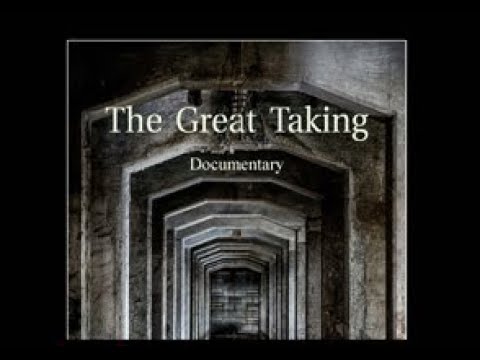
The Great Taking - The Movie

David Webb exposes the system Central Bankers have in place to take everything from everyone Webb takes us on a 50-year journey of how the C...